Company
About Us
Our Vision, Mission & Culture
Our Portfolio
Work That Shipped, then Scaled
Contact us
We're a one step away from you.
Our Partner Program
We ensure Win-Win for both Parties.
Industries
Automotive
We Serve to Vehicles, EV, Fleet & CKD.
Lifestyle
Apps for social, music, fitness & on-demand platforms.
Media & Entertainment
Explore top media and entertainment companies shaping the future of content and digital entertainment.
Manufacturing
Produces goods from raw materials or components.
Adult Entertainment
Digital platforms powering streaming, subscriptions, and modern entertainment experiences.
Healthcare
System improves physical and mental well-being.
Agriculture
The tech, science, and practice cultivate AgriTech.
FinTech
For digital banking, payments, compliance, and embedded finance Apps.
Retail & E-Commerce
Sells products to customers through physical stores and online platforms.
Service
Custom Software Development
Enterprise-grade custom software for seamless integration and sustainable growth.
Legacy Application Modernization
Cloud migration, microservices, and secure refactoring to modernize legacy systems.
SaaS Application Development
Full-stack SaaS with multi-tenant architecture, AI integration, and cloud-native deployment.
Business Automation
Social Media Automation
Ship lifecycle campaigns, recover abandoned carts, and personalize every send with AI.
Email Automation Services
Ship lifecycle campaigns, recover abandoned carts, and personalize every send with AI.
Whatsapp CRM Software
Route leads, control vendor access, and close every deal on WhatsApp CRM software.
Mobile App Development
Mobile App Development Services
Trusted mobile app development company building custom Android and iOS apps.
iOS App Development
A results-driven iOS app development company building secure, scalable apps.
Android App Development
Innovative, scalable Android applications tailored to your business requirements.
Cross-Platform App Development
High-performance apps that run across iOS, Android, and web platforms.
Progressive Web App Development
Custom PWA development company engineering app-grade performance across all browsers.
MVP Development Services
Build faster, validate smarter, and scale with confidence.
Software Development
Software Integration Development
Real-time integration of enterprise apps, data systems, and 3rd-party services.
Software Development Outsourcing
Full-cycle engineering partnership from ideation to deployment and AMC.
Enterprise Software Development
MACH platforms engineered for enterprise growth and operational efficiency.
Cross Platform App Development
Flutter App Development Company
Single Dart codebase for iOS, Android, and web for Enterprise-grade.
React Native App Development
Robust mobile apps with native performance using React Native technology.
AI Development
AI Development Services
Enterprise AI solutions that enhance efficiency and data-driven growth.
Enterprise AI Product Deployment
Move AI models from prototype to production with scalable deployment.
Agentic AI Engineering Services
Production-ready AI agents built for real business needs.
Generative AI Development
Enterprise GenAI solutions using LLMs, RAG, fine-tuning, and AI agents.
AI Agent Development
Custom AI agents for intelligent automation.
AI Chatbot Development Services
Build secure, scalable AI chatbots with RAG and smart integrations.
RAG Development Services
Advanced RAG with hybrid retrieval, reranking, and agentic AI.
Hire
Mobile
Hire iOS Developer
Hire React Native Developer
Hire Xamarin Mobile App Developer
Hire Flutter Developer
AI & Data
Hire LLM Developer
Hire NPL Developer
Hire Power BI Developer
Hire AI Developer
Cloud & DevOps
Hire DevOps Developer
Full Stack
Hire React.js Developer
Hire WordPress Developer
Hire Shopify Developer
Hire MERN Stack Developer
Hire Golang Developer
Hire Rust Developer
Hire Angular Developer
Hire Strapi Developer
Blockchain
Hire Solana Developer
Hire Solidity Developer
Hire NFT Developer
Hire Web3 Developer
Insights
Blog
Trends, Technology, AI, and Industry Insights.
Listicles
Curated lists of top Apps companies in 2026
Press Releases
Latest Market News and Updates!

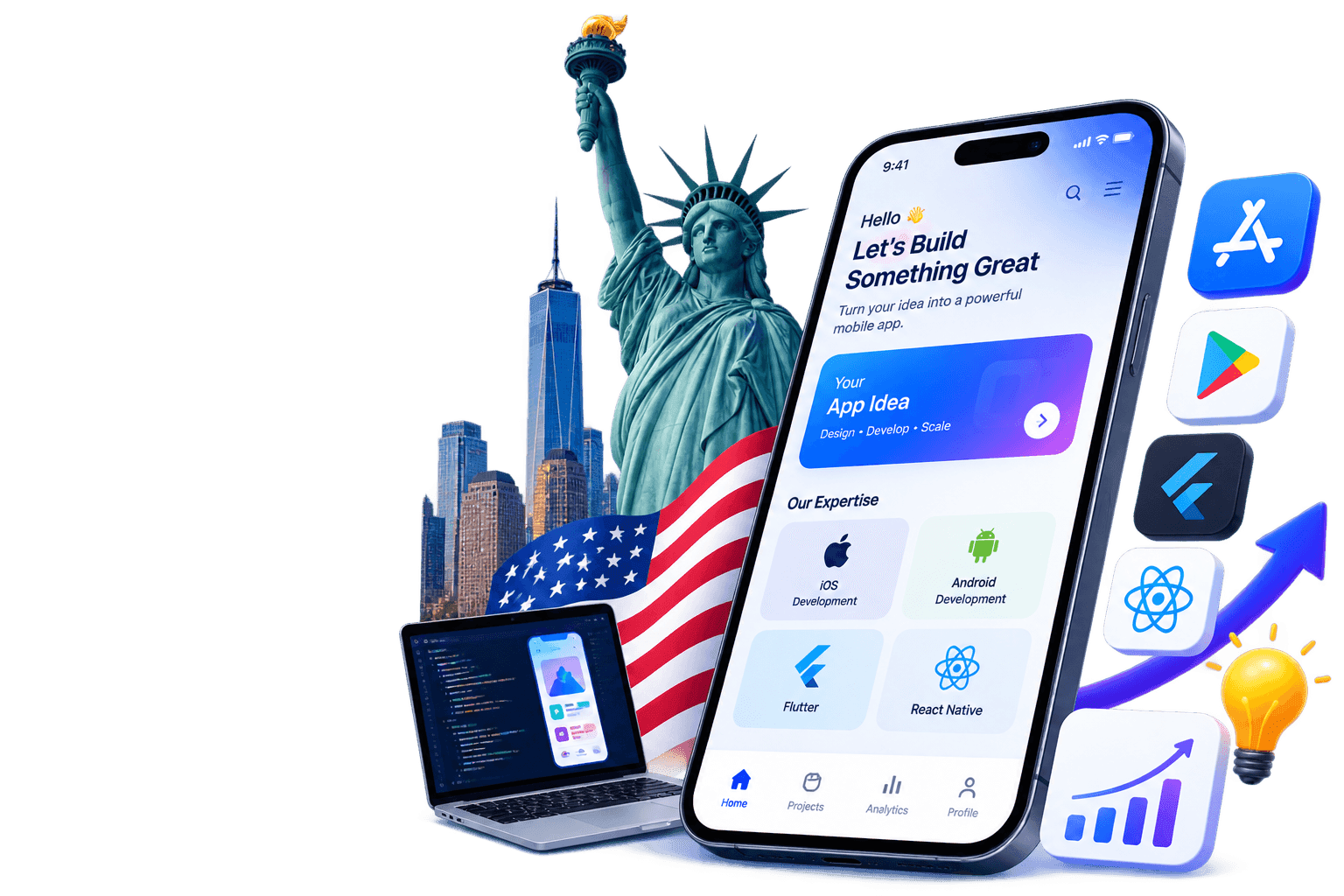
Junkies Coder is a mobile app development company helping US startups, SMEs, and enterprises build custom digital products aligned with their business goals, users, workflows, and technology requirements. Our custom mobile app development services cover product planning, UI/UX design, iOS and Android development, cross-platform development, backend engineering, APIs, testing, deployment, and post-launch support.

iOS, Android & Cross-Platform
Built for USA Businesses
Empowering awards, featured in news, and recognition to Drive Innovation and Success with
our unparalleled expertise and commitment to excellence.
Years of experience
Countries Served
Average cost P/H
Positive Feedbacks
Projects delivered
Experts & Engineers
CORE FEATURES
We build custom mobile applications that combine intuitive user experiences, scalable architecture, secure integrations, and reliable performance. Our end-to-end development approach helps US businesses launch, optimize, and scale mobile products efficiently.
Product Strategy & App Architecture
Native iOS & Android Development
Cross-Platform App Development
AI-Powered Mobile Experiences
API, Backend & Third-Party Integrations
App Security, Testing & Performance
Enterprise software projects can fail when solutions are designed around an idealized organization rather than the realities of US businesses. Our PROOF Standard accounts for existing systems, complex workflows, compliance requirements, legacy technology, stakeholder needs, and change management, helping organizations implement software that works within their actual operational environment.
The project starts by defining the business problem, target users, product objectives, and primary use cases. Existing systems, competitors, workflows, and technical dependencies are reviewed to understand the product environment. The team identifies what the first release needs to accomplish and which capabilities can follow later. This creates the foundation for scope, budget, platform, and technical decisions.
The product concept is evaluated against user expectations, competing applications, business models, and market opportunities. Core user journeys are mapped to understand where the application needs to create measurable value. MVP functionality is separated from features that can be introduced after initial validation. This stage helps establish a product direction before detailed engineering begins.
The technology strategy is defined around platform requirements, integrations, security, data, performance, and future releases. Native iOS, native Android, Flutter, or React Native can be selected according to the product's technical needs. Backend services, APIs, databases, cloud infrastructure, third-party systems, and authentication are mapped. Architecture decisions are documented before major development work starts.
User flows are converted into wireframes, prototypes, and detailed interface designs. Navigation, accessibility, interaction patterns, forms, dashboards, and conversion points are refined around real use cases. Design components are organized into a reusable system for consistent implementation. Stakeholders can review important workflows before they become development dependencies.
The mobile application, backend services, APIs, databases, integrations, and administrative functions are developed according to the approved architecture. Development is organized around prioritized features and release milestones. Code reviews and regular builds provide visibility into implementation quality and progress. Integration work is tested throughout development rather than being left for the final phase.
Testing covers functionality, APIs, devices, operating systems, performance, security, usability, and critical user journeys. Automated tests can cover repeatable workflows while manual testing examines real interaction patterns. Application behavior is evaluated across the devices and OS versions relevant to the target audience. Defects are tracked and resolved before production release.
The application is prepared for production infrastructure and marketplace submission. Apple App Store and Google Play requirements, store metadata, permissions, privacy information, certificates, and release configurations are reviewed. Production monitoring, analytics, crash reporting, and support procedures are configured. The release plan also defines how issues will be handled after the application becomes public.
The application is released through the selected distribution channels according to the launch plan. Initial performance, crash activity, user behavior, reviews, transactions, and conversion events are monitored closely. Critical issues are prioritized according to their impact on customers and business operations. Launch data becomes the first evidence for deciding what should happen next.
Post-launch data is used to identify product improvements, new features, performance issues, and customer needs. The roadmap can evolve based on analytics, feedback, support requests, market changes, and business priorities. AI capabilities, new integrations, additional platforms, and workflow improvements can be introduced in later releases. The result is a product development cycle that continues beyond the initial launch.
Explore selected mobile app projects showcasing our expertise in iOS, Android, cross-platform development, and custom business solutions.

Industry
Artificial Intelligence
Platform
Web & Enterprise API
Location
New York, USA
Outcomes
Production Ready Runtime
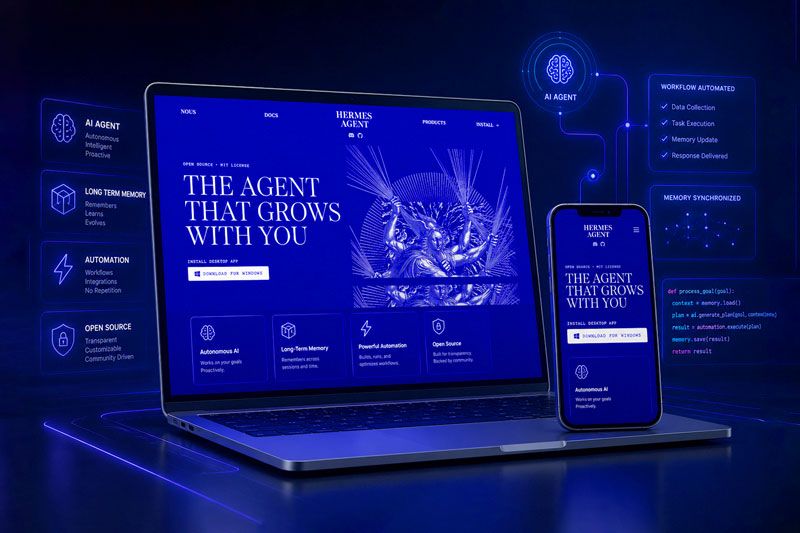
Nous Research developed the Hermes model family, featuring advanced agentic reasoning and complex function calling capabilities. Junkies Coder engineered the enterprise integration runtime and secure sandbox environment for Hermes, enabling businesses to deploy autonomous software agents within secure, production ready workflows.

Industry
Gaming & Interactive Entertainment
Platform
Web App, React / Next.js
Location
Delaware, USA (Global)
Outcomes
AI-Driven Game Production
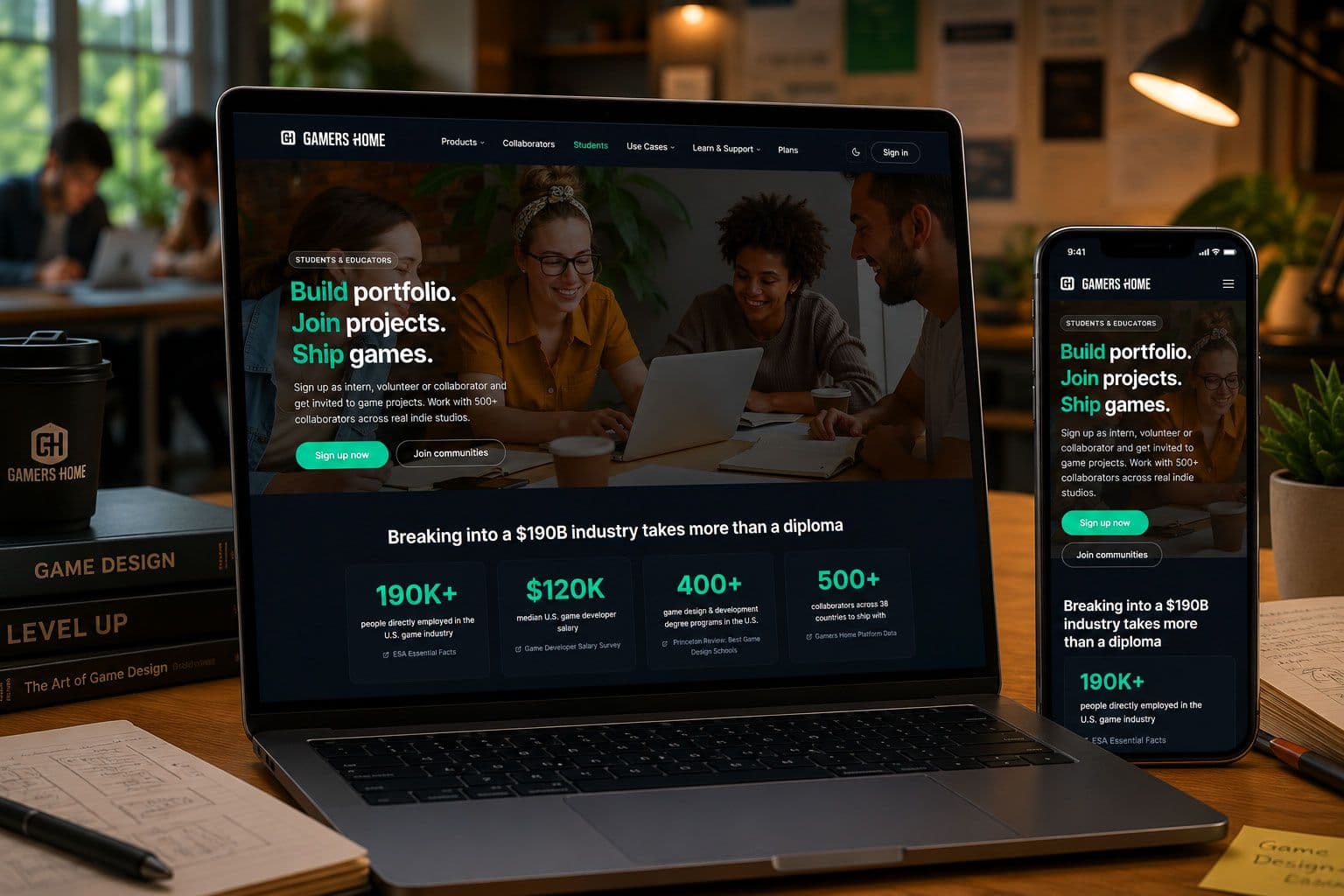
Game studios lose 8–12 hours weekly to pre-production coordination. Gamers Home fixes this with Arielle, an autonomous AI producer, paired with a vetted freelancer marketplace for every game development discipline. Junkies Coder built the complete platform in 12 months.

Industry
FashionTech & AI
Platform
Cross-Platform - iOS & Android
Location
Global
Outcomes
AI Virtual Try On
Doris is an intelligent fashion companion that eliminates wardrobe indecision. We engineered an AI powered platform that analyzes personal style, digitizes physical wardrobes, and provides high fidelity virtual try ons directly from any digital commerce website.

Industry
Social & EdTech
Location
Nigeria
Architecture
Angular & Node.js
Platform
Web & Mobile PWA
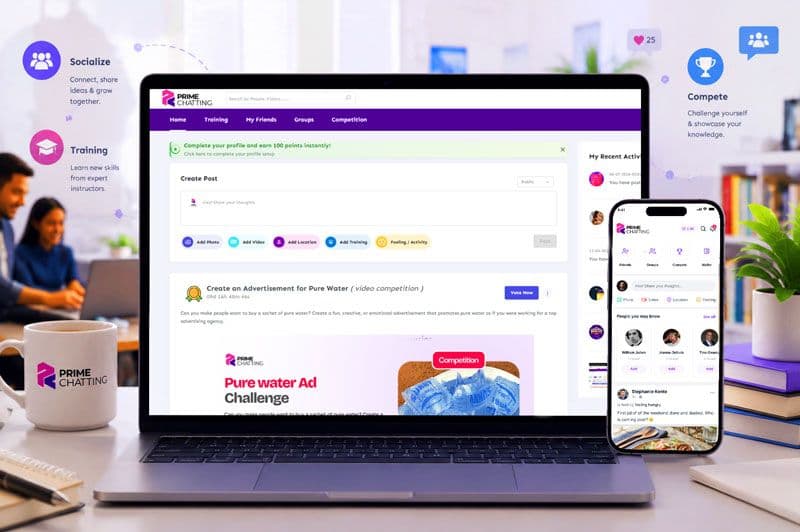
Junkies Coder engineered Prime Chatting, an enterprise social learning platform that connects educators, students, and content creators across global markets. By combining high frequency WebRTC live interactive video classrooms with automated activity based reward algorithms and gamified competition modules, Prime Chatting provides an all in one digital ecosystem where users learn skills, build communities, and participate in peer learning.
Whether you're looking to develop a digital solution from scratch, scale your current offerings, or fully modernize your system, we are here to help.
OUR EXPERTISE
Junkies Coder provides custom Android app development services for US startups, SMEs, and enterprises, delivering scalable, secure, and user-focused applications tailored to specific business goals and workflows.
Whether you’re validating an MVP, modernizing an existing app, or building a new AI-powered product, let’s discuss the features, integrations, and technology your application requires.

We use modern technologies to build connected, intelligent, and reliable mobile applications for US businesses. From AI and cloud infrastructure to real-time features, IoT integrations, and offline functionality, technology choices are aligned with each product’s performance, scalability, and operational requirements.
01
AI can support recommendation engines, intelligent search, classification, forecasting, content generation, and automated workflows. Machine learning models can use application data where the business case justifies model development and maintenance. Cloud-based and on-device processing can be considered for different workloads. The implementation should be tied to a measurable product requirement.
02
Cloud infrastructure can support databases, APIs, authentication, storage, notifications, analytics, and application workloads. The architecture is selected according to traffic patterns, data requirements, integrations, and operational needs. Monitoring and logging help teams understand application behavior in production. Infrastructure planning also considers future changes in usage and functionality.
03
Real-time communication can support messaging, delivery tracking, live dashboards, booking status, collaboration, and alerts. The technology approach depends on the required response time and connection pattern. Applications are also tested for connectivity interruptions and reconnection behavior. This is especially relevant for logistics, marketplaces, communication, and field-service products.
04
Mobile applications can communicate with sensors, smartwatches, connected equipment, and other devices. The mobile layer can display device information, trigger actions, or synchronize data with cloud systems. Common use cases include healthcare, fitness, industrial monitoring, logistics, and connected products. Security and data synchronization are planned around the device ecosystem.
05
Offline capabilities allow selected application functions to continue when internet connectivity is unavailable or unstable. Local storage can preserve relevant data until the application reconnects with backend systems. Synchronization rules determine which information is updated and how conflicts are handled. This capability is useful for field teams, logistics, travel, and applications used in areas with inconsistent connectivity.
06
Mobile applications can include secure authentication, encrypted data, API protection, role-based access, and secure session management. Security practices are considered across the mobile app, backend, integrations, and data flows.
07
Mobile applications can connect with payment gateways, CRM and ERP platforms, cloud services, analytics tools, identity providers, and other third-party systems. API architecture is planned around reliability, security, data synchronization, and future integration requirements.
08
Applications are optimized for fast loading, responsive interactions, efficient resource usage, and reliable performance across supported devices. Backend and cloud architecture can also be designed to handle increasing users, transactions, and application workloads.
09
Mobile applications can incorporate augmented reality and other immersive capabilities for product visualization, navigation, training, education, retail, and interactive experiences. Implementation depends on device capabilities and the specific business use case.
We build mobile applications tailored to industry-specific workflows, user needs, integrations, security requirements, and business goals.
Our delivery framework covers the complete mobile app development lifecycle, from product discovery and technical planning to design, development, testing, launch, and ongoing optimization. US businesses get clear project milestones, regular progress visibility, structured quality checks, and a roadmap for post-launch improvements and scaling.
Before engineering begins, the product scope, target users, core workflows, platform strategy, technical dependencies, and release priorities are established. The team defines the information required for design and development to begin with fewer open decisions. Business requirements are converted into functional and technical requirements. The result is a development plan that connects product goals with engineering work.
Development progresses through defined milestones with working builds, testing, reviews, and integration checks. Product stakeholders can review functionality while the application is being built rather than waiting for the final release. Changes are evaluated against their effect on scope, dependencies, budget, and release timing. This creates visibility across product, design, engineering, and QA activities.
The application moves through final security checks, performance testing, store preparation, infrastructure validation, and release configuration. Production APIs, databases, monitoring, analytics, notifications, and third-party services are verified. App Store and Google Play assets are prepared according to the relevant submission requirements. The objective is to make the production environment ready before public distribution.
Once users begin interacting with the application, analytics, crash data, reviews, support requests, and business metrics become part of product management. Issues are prioritized according to user impact and business importance. New releases can address defects, improve performance, introduce features, or respond to market changes. This stage turns launch into the beginning of ongoing product development.
Shalehin Modasia
Marketing DirectorENGAGEMENT MODELS
We develop mobile applications for startups, SMEs, enterprises, and digital-first businesses across different industries and business models. From customer-facing apps and marketplaces to SaaS platforms, on-demand services, and internal business solutions, our approach adapts the technology, features, and architecture to each business model.
Marketplace products connect multiple participant groups such as buyers, sellers, service providers, or professionals. The application may require listings, search, profiles, messaging, payments, reviews, commissions, and dispute workflows. Separate permissions can be created for each participant type. The backend keeps transactions and marketplace activity synchronized across the ecosystem.
Get a free consultationSubscription applications can support free trials, recurring billing, plan upgrades, cancellations, usage limits, and account management. The backend tracks subscription states and connects them with application permissions. Analytics can measure trial conversion, retention, cancellations, and revenue behavior. This model is suitable for SaaS, education, fitness, content, productivity, and membership products.
Get a free consultationOn-demand applications coordinate customers with drivers, technicians, providers, delivery teams, or other service operators. Features can include booking, availability, location, scheduling, payments, status tracking, ratings, and notifications. Different interfaces can be created for customers, providers, and administrators. Real-time communication and operational dashboards can support day-to-day service management.
Get a free consultationInternal mobile applications can digitize approvals, field operations, inventory, sales, inspections, reporting, and employee workflows. These products can integrate with ERP, CRM, HR, accounting, and other enterprise platforms. Role-based permissions determine which functions each employee can access. Mobile workflows can also capture data directly from field operations.
Get a free consultationAI-first products place intelligent interaction at the center of the user journey. Examples include AI assistants, document analysis, personalized recommendations, intelligent search, content generation, and task agents. The architecture connects AI capabilities with relevant application data and controlled actions. Privacy, model performance, operating cost, and user trust remain important product considerations.
Get a free consultationFinTech applications can support digital wallets, payments, money transfers, expense tracking, lending, investments, and financial management. Features can include secure authentication, transaction tracking, notifications, identity verification, and third-party financial integrations. The architecture is designed around data security, transaction reliability, and applicable regulatory requirements.
Get a free consultationReal stories from real partners who experienced clarity, accountability, and measurable business growth.
We use modern mobile technologies and frameworks to build secure, scalable, high-performance applications tailored to your business requirements.
Featured Technologies
OpenAi
Claude
Falcon
Gemini
Mistral
Grok
Meta
We build mobile applications with privacy, security, and applicable US compliance requirements in mind. Depending on the industry and data handled, our development approach can account for standards and regulations such as HIPAA, CCPA/CPRA, COPPA, PCI DSS, and accessibility requirements.

PCI DSS
HIPAA
ISO/IEC 27001
OWASP Mobile Security Testing Guide
PSD2
W3C

Apple App Store Guidelines
Google Play Store Guidelines
CCPA

FTC Privacy & Security Requirements
Junkies Coder combines product strategy, mobile engineering, AI capabilities, secure integrations, and scalable architecture to build applications for US businesses. From MVP development to enterprise-grade products, our approach focuses on business workflows, user needs, performance, and long-term product growth.
Junkies Coder can support product discovery, UI/UX, mobile engineering, backend development, API integration, testing, deployment, and post-launch development. The team can work across native iOS, native Android, Flutter, React Native, cloud systems, and AI capabilities. This allows the mobile application to be developed alongside the systems that power it. The engagement can begin with an MVP and continue through later product releases.
Platform and framework decisions are made according to application functionality, target devices, integrations, performance expectations, and future plans. Native technologies can be used where deep platform functionality is required. Flutter or React Native can be considered where shared development fits the product. AI technologies are introduced around specific product use cases and data requirements.
Security considerations cover authentication, API protection, protected data, access controls, testing, and production monitoring. Quality assurance evaluates application behavior across relevant devices, operating systems, integrations, and critical user journeys. Production analytics and crash monitoring can help identify issues after launch. Ongoing releases keep the product aligned with technical and business changes.
The first release can establish the foundation for future features, integrations, AI capabilities, and platform expansion. Post-launch data provides evidence for deciding which improvements should receive priority. The development roadmap can therefore evolve with actual customer behavior and business requirements. This positions the application as an ongoing digital product rather than a one-time project.
Location features can support maps, GPS tracking, route planning, geofencing, delivery tracking, and nearby services. Background location, permissions, connectivity, and battery usage can be considered for applications that depend heavily on real-time location data.
Analytics can track acquisition, engagement, conversions, retention, feature usage, crashes, and key business events. Custom dashboards and event tracking can provide actionable insights for product decisions, performance monitoring, and ongoing optimization.
AI capabilities can support intelligent search, recommendations, virtual assistants, content generation, document processing, predictions, and workflow automation. AI features can be connected with approved business data and APIs while considering privacy, accuracy, latency, and security requirements.
Mobile applications can connect with CRMs, ERPs, payment gateways, cloud platforms, healthcare systems, identity providers, analytics tools, and other business services. APIs and integration workflows can be designed around the application's specific operational requirements.
Custom admin panels can provide centralized control over users, content, transactions, permissions, reports, and application activity. Business dashboards can help teams manage operations, monitor performance, and make data-driven decisions from a single platform.

A mobile app development company in the USA helps businesses design, develop, test, launch, and maintain mobile applications for iOS and Android. Services may include UI/UX design, backend development, API integration, cloud solutions, AI integration, security, and ongoing maintenance.
The cost of developing a mobile app in the USA depends on its features, complexity, design, platform, integrations, and development timeline. A basic MVP generally costs less than a complex enterprise or AI-powered application. Junkies Coder provides customized estimates based on your specific requirements and project scope.
The timeline depends on the app's complexity, features, integrations, and testing requirements. A simple MVP can take a few months, while a complex enterprise application may require more time. Our team provides a clear development roadmap and estimated timeline after reviewing your requirements.
The right approach depends on your business goals, target audience, budget, performance requirements, and desired features. Native development is suitable when maximum platform-specific performance is required, while cross-platform technologies such as Flutter and React Native can help businesses efficiently build apps for both iOS and Android.
Yes. Junkies Coder develops custom iOS and Android applications for US businesses. Depending on your project requirements, we can use native technologies or cross-platform frameworks to build secure, scalable, and user-friendly mobile applications.
Yes. We can integrate mobile applications with existing business systems, APIs, databases, CRMs, ERPs, payment gateways, cloud platforms, and other third-party services. These integrations allow your mobile app to work seamlessly with your existing technology infrastructure.
Yes. We can integrate AI capabilities into existing mobile applications based on your business needs. AI solutions can include intelligent chatbots, recommendation engines, AI-powered search, predictive analytics, automation, document processing, computer vision, and integration with AI APIs or models.
Yes. We can assist with preparing and publishing your mobile application on both the Apple App Store and Google Play. Our team can support app configuration, release builds, testing, store requirements, submission, and launch.
Yes. We provide ongoing mobile app support after launch, including bug fixes, performance optimization, security updates, OS compatibility updates, maintenance, monitoring, and new feature development. This helps keep your application secure, reliable, and ready for future growth.