Company
About Us
Our Vision, Mission & Culture
Our Portfolio
Work That Shipped, then Scaled
Contact us
We're a one step away from you.
Our Partner Program
We ensure Win-Win for both Parties.
Industries
Automotive
We Serve to Vehicles, EV, Fleet & CKD.
Lifestyle
Apps for social, music, fitness & on-demand platforms.
Media & Entertainment
Explore top media and entertainment companies shaping the future of content and digital entertainment.
Manufacturing
Produces goods from raw materials or components.
Adult Entertainment
Digital platforms powering streaming, subscriptions, and modern entertainment experiences.
Real Estate
Smart real estate apps that simplify property discovery, virtual tours, lead management, and seamless transactions.
Healthcare
System improves physical and mental well-being.
Agriculture
The tech, science, and practice cultivate AgriTech.
FinTech
For digital banking, payments, compliance, and embedded finance Apps.
Retail & E-Commerce
Sells products to customers through physical stores and online platforms.
Logistics
AI-powered logistics app development focused on smarter routing, real-time visibility, automation, and future-ready supply chains.
Travel
A travel app for trip planning, destination discovery, and easy bookings.
Service
Custom Software Development
Custom Software Development
Enterprise-grade custom software for seamless integration and sustainable growth.
Legacy Application Modernization
Cloud migration, microservices, and secure refactoring to modernize legacy systems.
SaaS Application Development
Full-stack SaaS with multi-tenant architecture, AI integration, and cloud-native deployment.
Business Automation
Social Media Automation
Ship lifecycle campaigns, recover abandoned carts, and personalize every send with AI.
Email Automation Services
Ship lifecycle campaigns, recover abandoned carts, and personalize every send with AI.
Whatsapp CRM Software
Route leads, control vendor access, and close every deal on WhatsApp CRM software.
Mobile App Development
Mobile App Development Services
Trusted mobile app development company building custom Android and iOS apps.
iOS App Development
A results-driven iOS app development company building secure, scalable apps.
Android App Development
Innovative, scalable Android applications tailored to your business requirements.
Cross-Platform App Development
High-performance apps that run across iOS, Android, and web platforms.
Progressive Web App Development
Custom PWA development company engineering app-grade performance across all browsers.
MVP Development Services
Build faster, validate smarter, and scale with confidence.
Software Development
Software Integration Development
Real-time integration of enterprise apps, data systems, and 3rd-party services.
Software Development Outsourcing
Full-cycle engineering partnership from ideation to deployment and AMC.
Enterprise Software Development
MACH platforms engineered for enterprise growth and operational efficiency.
Cross Platform App Development
Flutter App Development Company
Single Dart codebase for iOS, Android, and web for Enterprise-grade.
React Native App Development
Robust mobile apps with native performance using React Native technology.
AI Development
AI Development Services
Enterprise AI solutions that enhance efficiency and data-driven growth.
Enterprise AI Product Deployment
Move AI models from prototype to production with scalable deployment.
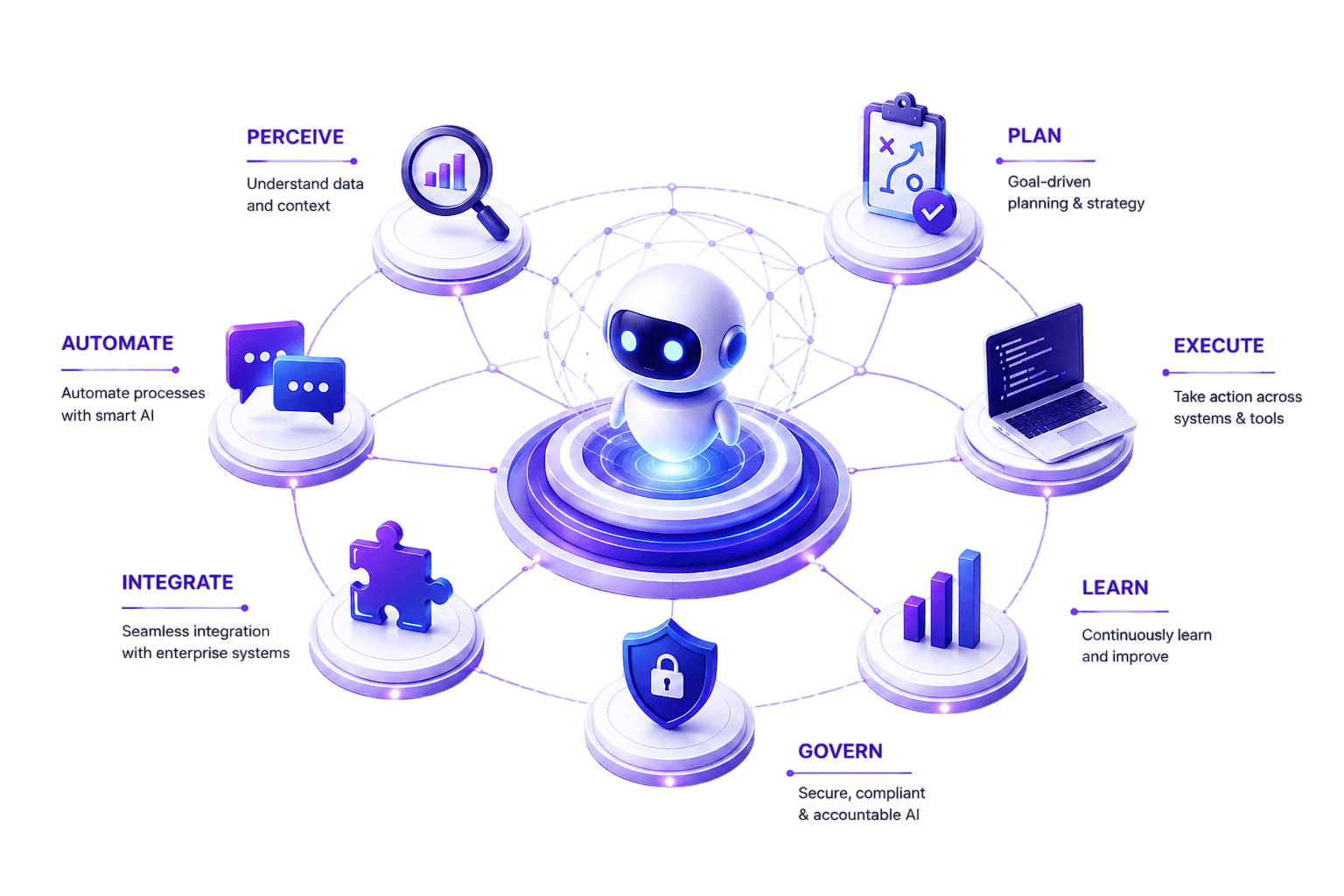
Agentic AI Engineering Services
Production-ready AI agents built for real business needs.
Generative AI Development
Enterprise GenAI solutions using LLMs, RAG, fine-tuning, and AI agents.
AI Agent Development
Custom AI agents for intelligent automation.
AI Chatbot Development Services
Build secure, scalable AI chatbots with RAG and smart integrations.
RAG Development Services
Advanced RAG with hybrid retrieval, reranking, and agentic AI.
Hire
Mobile
Hire iOS Developer
Hire React Native Developer
Hire Xamarin Mobile App Developer
Hire Flutter Developer
AI & Data
Hire LLM Developer
Hire NPL Developer
Hire Power BI Developer
Hire AI Developer
Cloud & DevOps
Hire DevOps Developer
Full Stack
Hire React.js Developer
Hire WordPress Developer
Hire Shopify Developer
Hire MERN Stack Developer
Hire Golang Developer
Hire Rust Developer
Hire Angular Developer
Hire Strapi Developer
Blockchain
Hire Solana Developer
Hire Solidity Developer
Hire NFT Developer
Hire Web3 Developer
Insights
Blog
Trends, Technology, AI, and Industry Insights.
Listicles
Curated lists of top Apps companies in 2026
Press Releases
Latest Market News and Updates!