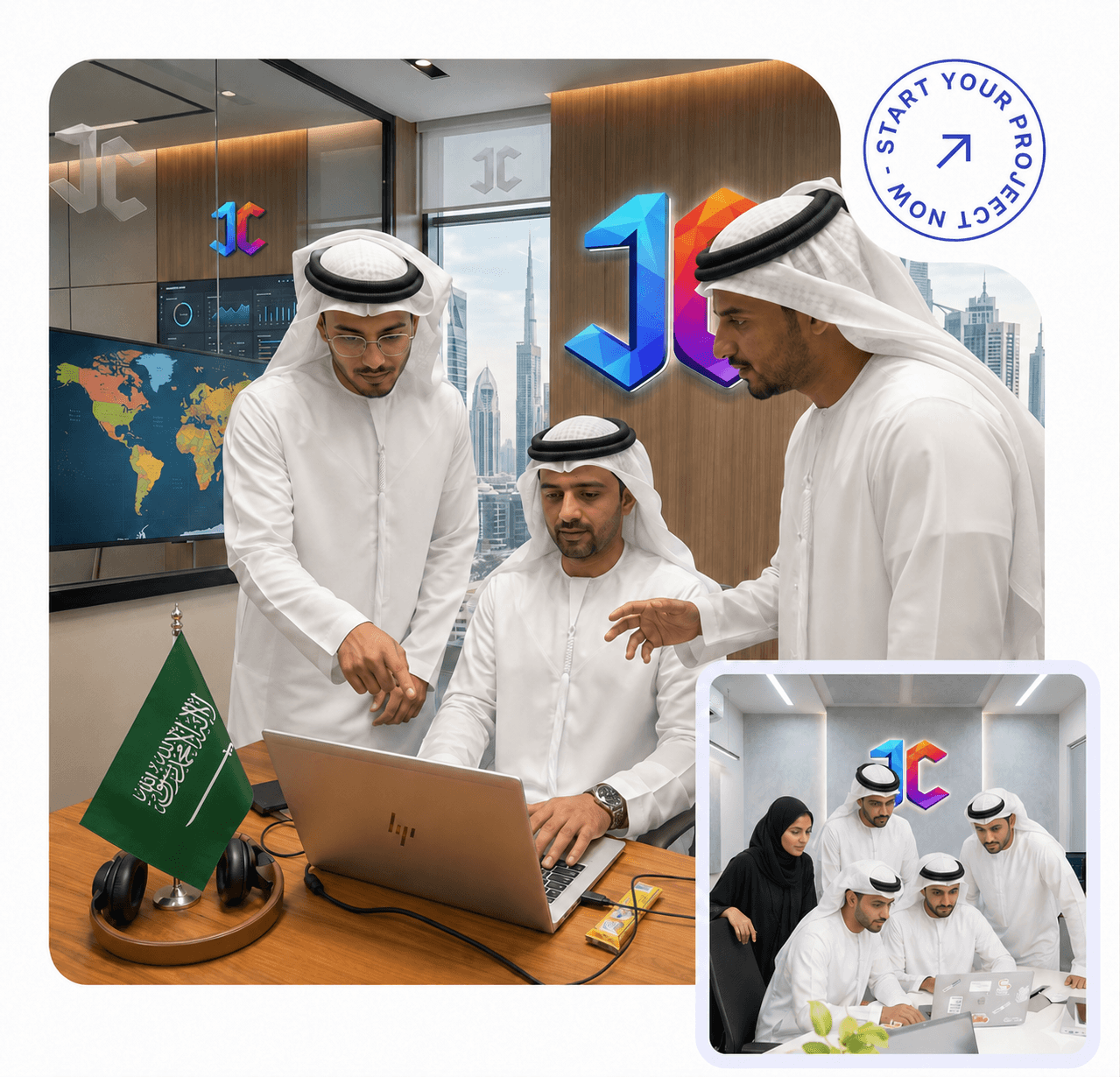
Junkies Coder is a Riyadh-based mobile app development company building iOS, Android, and cross-platform apps for Saudi enterprises. It focuses on Vision 2030, Arabic-first design, and secure integrations tailored for the Saudi market.

Empowering awards and recognition to Drive Innovation and Success with our unparalleled expertise and commitment to excellence.
Years of experience
Countries Served
Average cost P/H
Positive Feedbacks
Happy Success Stories
Experts & Engineers
Native iOS & Android Development
Flutter Cross-Platform
React Native Development
Arabic RTL UI Engineering
Nafath and ABSHER Integration
PDPL obligations, bilingual architecture and Saudi data residency requirements are confirmed before engineering begins, ensuring every Riyadh mobile delivery meets Kingdom regulatory and quality standards.
Your data assets, residency obligations, Nafath or government API integration requirements and Arabic language data quality for NLP features are assessed. The discovery output sets the compliance and engineering baseline for every subsequent decision.
Platform selection, Saudi cloud deployment strategy, Arabic-first design system and national infrastructure integration scope are confirmed with your technical and compliance stakeholders before any development timeline is committed.
Wireframes produced in Arabic as the primary layout, validated against Saudi user workflows and Arabic typography conventions. English interface is adapted from the Arabic design, not the reverse. Interactive prototypes tested with Saudi user scenarios before sprint planning begins.
Working Arabic-first builds at every milestone, with Nafath integration, payment gateway connections, Saudi data residency controls and PDPL documentation reviewed and signed off at each client checkpoint.
App Store and Google Play submission with Arabic-primary metadata, Saudi regional pricing configuration, rollback safeguards and a post-launch support structure covering Arabic model performance, OS updates and PDPL regulatory change management.
Every mobile application here is live, serving real users and delivering measurable outcomes for Saudi fintech, healthcare, ecommerce and enterprise clients across Riyadh, Jeddah and the Kingdom.

Industry
Social Media
Technology
Swift - iOS
Location
Canada
Outcomes
iOS Music App
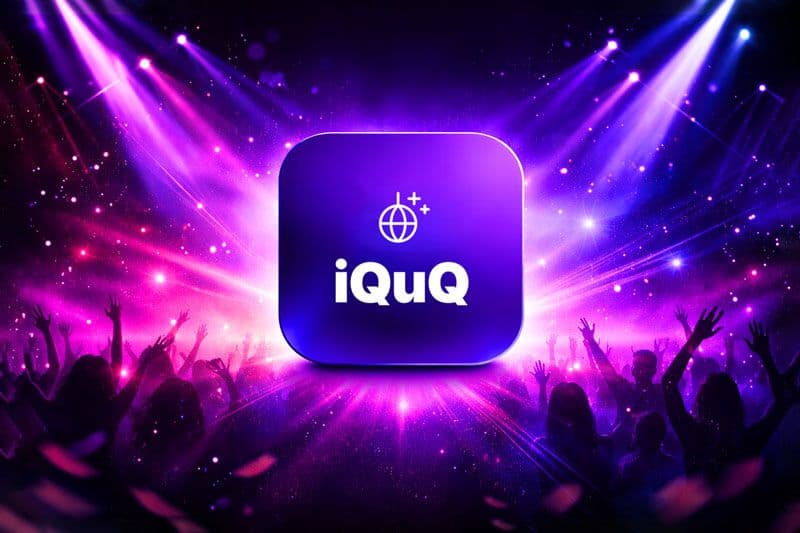
iQuQ App is a social music platform that transforms shared music experiences. Create party group, Every participant adds songs, casts votes and shapes live sessions through real time democratic playback.

Industry
Ecommerce
Platform
Cross-Platform - Flutter
Location
Bengaluru, India
Outcomes
Omni-channel Platform
Inspect & Buy App build by Junkies Coder - vision is to provide a seamless, personalized shopping experience that anticipates and fulfills the needs of customers while fostering trust and loyalty through product quality and exceptional services such as Wheelz, in-store shopping and online shopping.

Industry
Agro Logistics
Technology
Web / IoT / ERP
Location
India
Outcomes
50% Reduction
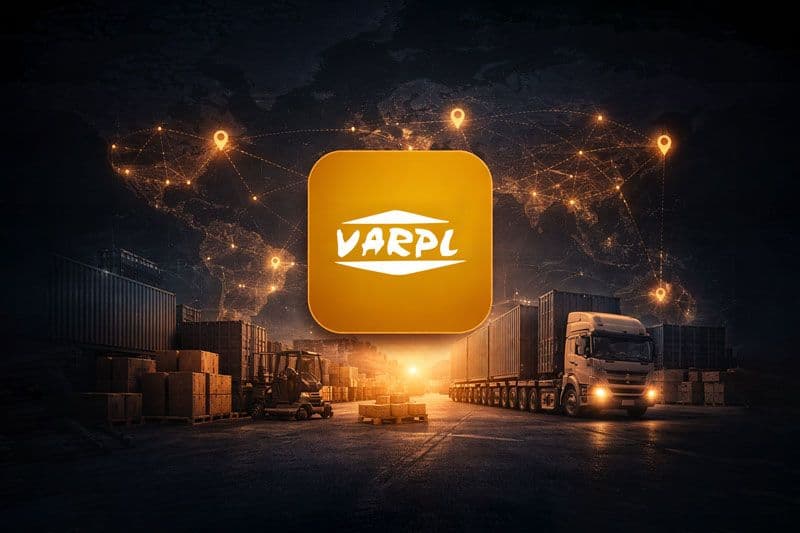
Vaishnodevi Agro Resources Pvt. Ltd needed a digital tracking system to replace manual agro-logistics processes in Radhanpur, India, covering truck entries, weighbridge, seed processing, lab reporting and dispatch management.

Industry
Automotive
Platform
Web-Based B2B Marketplace
Location
Dubai, UAE
Outcomes
Scalable B2B Marketplace
SourceVehicle is a vehicle inventory aggregator connecting dealers with global buyers for passenger and commercial vehicles.Junkies Coder builds a scalable B2B marketplace with inventory management, multi-currency transactions, logistics and secure payments.
Whether you're looking to develop a digital solution from scratch, scale your current offerings, or fully modernize your system, we are here to help.
OUR EXPERTISE
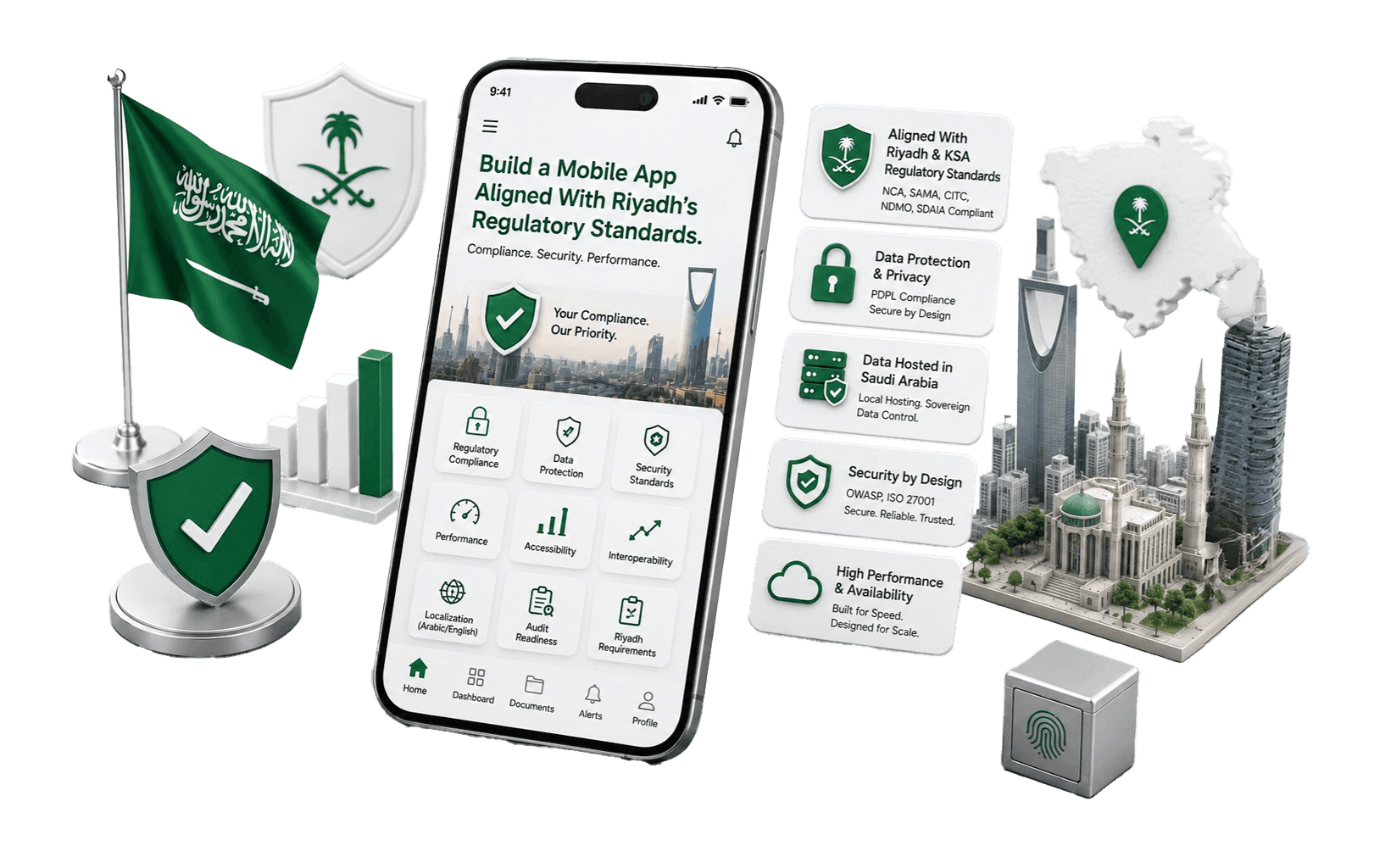
Saudi enterprises and government entities need mobile apps aligned with PDPL, SAMA, Nafath, and Arabic-first UX. Junkies Coder plans every Riyadh project around these requirements from the start.
All regulatory and security obligations are addressed at the architecture stage of every Junkies Coder Riyadh's engagement.

Smart solutions designed to adapt across industries effortlessly, helping businesses streamline operations, enhance performance, and drive sustainable growth.
We follow a transparent, collaborative process, from discovery to deployment. Designed to help founders move fast, stay lean, and build reliable, scalable products.
We explore your vision, goals, and market to create a strategic roadmap through meetings, assessments, and planning.
Wireframes and mockups bring your product to life with intuitive, user-focused design ready for seamless implementation.
We build clean, scalable code supported by testing plans and bug fixing to ensure stability, performance, and reliability.
Agile sprints drive continuous improvement. We support product launch, PR, investor readiness, and long-term growth strategies.
Shalehin Modasia
Marketing DirectorENGAGEMENT MODELS
We adapt to the way your business operates. Whether you need end-to-end ownership of an engagement, additional senior engineering capacity, or a long-term dedicated team aligned to your goals, our engagement models give you the flexibility to scale delivery at the pace your business demands.
When your in-house team needs specialized engineering capacity without the overhead of long-term hiring, our team augmentation model fills that gap immediately. Our engineers integrate directly with your existing workflows, bring the technical depth required to maintain delivery quality and adapt to your tools, processes and communication standards from day one. You retain full control over direction while we provide the execution capacity your roadmap requires.
Get a free consultationFor engagements that require sustained focus and long-term commitment, our dedicated team model delivers the consistency and accountability that project-based arrangements cannot. We assemble a cross-functional team of engineers, designers and QA specialists built exclusively around your engagement, operating within your delivery cadence with full sprint ownership, direct stakeholder communication and complete accountability from initiation through post-launch evolution.
Get a free consultationWhen you need a single partner to manage a complex engagement end to end while your own teams stay focused on core business operations, we assume complete ownership. From discovery and architecture through design, engineering, testing and deployment, every technical decision and every delivery milestone sits with our team. You define the business objectives. We translate them into production ready outcomes with full transparency at every stage.
Get a free consultationReal stories from real partners who experienced clarity, accountability, and measurable business growth.
By combining innovation, strategy, and modern technologies, we help businesses improve efficiency, scale faster, and achieve sustainable growth.
Featured Technologies
OpenAi
Claude
Falcon
Gemini
Mistral
Grok
Meta
Saudi mobile apps have unique data, integration, and regulatory requirements. Junkies Coder addresses these at the architecture stage, not after development.

PDPL

SDAIA

SAMA Cybersecurity Framework

NCA Essential Controls

CITC
ZATCA

PCI DSS
OWASP Mobile Security

Apple Store Guidelines
Google Play Policies

Mobile applications developed for Saudi businesses or serving Saudi users are subject to a compliance framework that combines national data protection legislation, sector-specific regulatory standards and government technology integration requirements. The Personal Data Protection Law, enforced by SDAIA, is Saudi Arabia's primary data privacy legislation. It imposes obligations on organisations collecting personal data from Saudi residents covering consent architecture, purpose limitation, data localisation and cross-border transfer restrictions. Applications that process personal data must address PDPL at the architecture stage with documented data flows, consent mechanisms and the technical controls required for data subject rights requests. SAMA's cybersecurity framework applies to licensed financial institutions and their technology service providers. Mobile applications for Saudi banks, fintech companies, insurance providers and payment service operators must meet SAMA's cybersecurity controls covering secure development, access management, encryption standards and incident response procedures. The National Cybersecurity Authority's Essential Cybersecurity Controls apply to organisations operating critical national infrastructure and government-aligned entities. Mobile applications deployed for these organisations must meet NCA standards covering secure configuration, data protection and network security. CITC regulations govern telecommunications and digital services. Applications using SMS, voice or telecommunications APIs must comply with CITC licensing and content standards. Nafath integration for national identity verification requires compliance with the national SSO security specifications published by NDMO.
Nafath is Saudi Arabia's national digital identity verification system, operated by the National Information Center under the Ministry of Interior. It provides a secure, government-issued authentication layer that allows Saudi citizens and residents to verify their identity within mobile and web applications using their national ID credentials. For mobile applications serving Saudi government entities or regulated industries, Nafath integration is a procurement requirement rather than an optional feature. Government portals, healthcare applications, financial services platforms and ecommerce applications requiring KYC onboarding all implement Nafath as the primary identity verification mechanism because it eliminates the need to build separate identity verification infrastructure and provides a verification quality that regulatory auditors accept. The Nafath integration architecture follows an OAuth 2.0-based SSO flow. The mobile application redirects the user to the Nafath authentication layer, receives a signed identity assertion on successful verification and uses that assertion to create or authenticate the user's account within the application. Junkies Coder implements Nafath integration as a standard component for Saudi government-aligned and regulated industry mobile engagements, with the integration architecture documented and reviewed with the client before development begins.
Mobile app development cost in Saudi Arabia is determined by platform scope, bilingual architecture requirements, compliance framework obligations and the depth of Saudi-specific integrations required. A focused single-platform mobile application with defined feature scope, standard API integration, bilingual Arabic and English support and no regulated data handling typically falls in the SAR 150,000 to SAR 370,000 range across a 14 to 20 week delivery timeline. A mid-complexity application covering both iOS and Android, Nafath or payment gateway integration, PDPL compliance documentation and Arabic-first RTL architecture typically falls in the SAR 370,000 to SAR 850,000 range across a 20 to 32 week timeline. Enterprise mobile applications requiring SAMA cybersecurity framework compliance, complex ERP or government system integration, Arabic NLP capability and a full QA cycle across device configurations represent engagements above SAR 850,000, scoped after a paid discovery and architecture phase.
Arabic-first architecture is a core requirement for every Junkies Coder Saudi mobile engagement where the primary audience includes Arabic-speaking users. Arabic-first means the application is designed from the Arabic user's perspective as the primary experience, with English as the secondary language option, rather than an English interface with Arabic translation applied afterward. The architectural implications include RTL layout configuration from the first component build, Arabic typography selection with correct line height and character spacing for Saudi Arabic dialect conventions, bidirectional text handling for mixed Arabic and English content, number and date formatting in both Hijri and Gregorian calendars where relevant, and prayer time awareness for applications where daily workflow timing is a feature consideration. For NLP and AI features in Saudi applications, Arabic language model selection considers Modern Standard Arabic accuracy alongside Saudi dialect coverage, which differs significantly from Egyptian or Levantine Arabic. Training data quality for Saudi dialect NLP is a documented scoping item in every engagement where Arabic language intelligence is in scope.
Saudi mobile payment integration covers the full range of payment infrastructure used across the Kingdom's consumer and enterprise markets. Standard integrations include Mada, STC Pay, Apple Pay Saudi, Google Pay, HyperPay, PayTabs, Paymob and Tamara BNPL. For enterprise applications requiring B2B payment workflows, SADAD bill payment integration and SARIE instant payment connectivity are addressed in the architecture phase. For fintech applications operating under SAMA licensing, the payment architecture must meet SAMA's cybersecurity and operational resilience guidelines. ZATCA e-invoicing integration is required for commercial applications generating B2B invoices within the Kingdom. Junkies Coder documents the payment architecture, data handling approach and ZATCA integration scope in the engagement specification before development begins.
Vision 2030's digital transformation programme creates specific requirements for mobile applications serving Saudi enterprises and government entities. These include alignment with National Transformation Programme KPIs for digital service delivery, integration with government digital platforms including Absher and Yesser, deployment on Saudi-resident cloud infrastructure meeting NDMO data localisation guidelines and the bilingual user experience standards that Saudi government digital portals define. For private sector organisations, Vision 2030 alignment means mobile applications that support the programme's priority sectors: tourism, entertainment, logistics, healthcare, fintech and smart cities. Junkies Coder scopes Vision 2030 alignment requirements in the discovery phase and includes them in the architecture documentation as named compliance and integration requirements rather than general aspirational statements.
A focused single-platform Saudi mobile engagement with bilingual Arabic and English support, standard backend integration and no regulated data handling typically requires 14 to 22 weeks from discovery to App Store approval. Discovery and PDPL compliance mapping: 2 weeks. Architecture design and Saudi regulatory alignment: 1 to 2 weeks. Arabic-first UI/UX design and prototyping: 3 to 4 weeks. Development sprints: 8 to 14 weeks depending on feature complexity. QA, security testing and store submission: 2 to 3 weeks. Timelines extend for Nafath integration, SAMA compliance documentation, NPHIES connectivity for healthcare applications, or complex government API integration with Saudi-resident cloud deployment.
Junkies Coder delivers Saudi mobile applications across fintech, healthcare, ecommerce, logistics, government technology, real estate and enterprise operations. Fintech engagements have covered digital banking interfaces, BNPL platforms, investment applications and SAMA-compliant KYC onboarding tools. Healthcare applications have addressed patient management, telemedicine and NPHIES-integrated clinical documentation tools. Ecommerce applications have covered Arabic-first marketplace experiences with Mada, STC Pay and Tamara integration. Government technology engagements have produced citizen service applications meeting Nafath integration and Yesser platform standards. Logistics applications have covered Arabic-first driver workflow tools with offline-first architecture for cross-Kingdom field operations.
SDAIA's data localisation guidelines require that personal data about Saudi residents be stored within the Kingdom of Saudi Arabia unless explicit cross-border transfer conditions are met. For mobile applications processing personal data subject to PDPL, backend infrastructure deployment on Saudi-resident cloud regions is a compliance requirement rather than a preference. Available Saudi-resident cloud regions include AWS Middle East (Riyadh), Google Cloud (Dammam) and Azure (planned). Junkies Coder documents the data residency architecture and cloud deployment strategy in the architecture specification for every Saudi mobile engagement where PDPL applies to the data the application processes.
Contact the Junkies Coder team at [email protected] or through the consultation form on junkiescoder.com. The starting point is a discovery conversation covering your mobile application requirements, Arabic language scope, PDPL obligations, Saudi-specific integration requirements and commercial timeline. From that conversation, the team produces a preliminary engagement assessment covering platform recommendation, compliance considerations, indicative timeline and cost range, and a recommendation on whether a paid architecture phase is appropriate before development commitment. The initial conversation carries no cost or obligation.