Company
About Us
Our Vision, Mission & Culture
Our Portfolio
Work That Shipped, then Scaled
Contact us
We're a one step away from you.
Our Partner Program
We ensure Win-Win for both Parties.
Industries
Automotive
We Serve to Vehicles, EV, Fleet & CKD.
Lifestyle
Apps for social, music, fitness & on-demand platforms.
Media & Entertainment
Explore top media and entertainment companies shaping the future of content and digital entertainment.
Manufacturing
Produces goods from raw materials or components.
Adult Entertainment
Digital platforms powering streaming, subscriptions, and modern entertainment experiences.
Real Estate
Smart real estate apps that simplify property discovery, virtual tours, lead management, and seamless transactions.
Healthcare
System improves physical and mental well-being.
Agriculture
The tech, science, and practice cultivate AgriTech.
FinTech
For digital banking, payments, compliance, and embedded finance Apps.
Retail & E-Commerce
Sells products to customers through physical stores and online platforms.
Logistics
AI-powered logistics app development focused on smarter routing, real-time visibility, automation, and future-ready supply chains.
Travel
A travel app for trip planning, destination discovery, and easy bookings.
Service
AI Development
AI Development Services
Enterprise AI solutions that enhance efficiency and data-driven growth.
Enterprise AI Product Deployment
Move AI models from prototype to production with scalable deployment.
Agentic AI Engineering Services
Production-ready AI agents built for real business needs.
Generative AI Development
Enterprise GenAI solutions using LLMs, RAG, fine-tuning, and AI agents.
AI Agent Development
Custom AI agents for intelligent automation.
AI Chatbot Development Services
Build secure, scalable AI chatbots with RAG and smart integrations.
RAG Development Services
Advanced RAG with hybrid retrieval, reranking, and agentic AI.
Mobile App Development
Mobile App Development Services
Trusted mobile app development company building custom Android and iOS apps.
iOS App Development
A results-driven iOS app development company building secure, scalable apps.
Android App Development
Innovative, scalable Android applications tailored to your business requirements.
Cross-Platform App Development
High-performance apps that run across iOS, Android, and web platforms.
Progressive Web App Development
Custom PWA development company engineering app-grade performance across all browsers.
MVP Development Services
Build faster, validate smarter, and scale with confidence.
AI-Ready Application Modernization
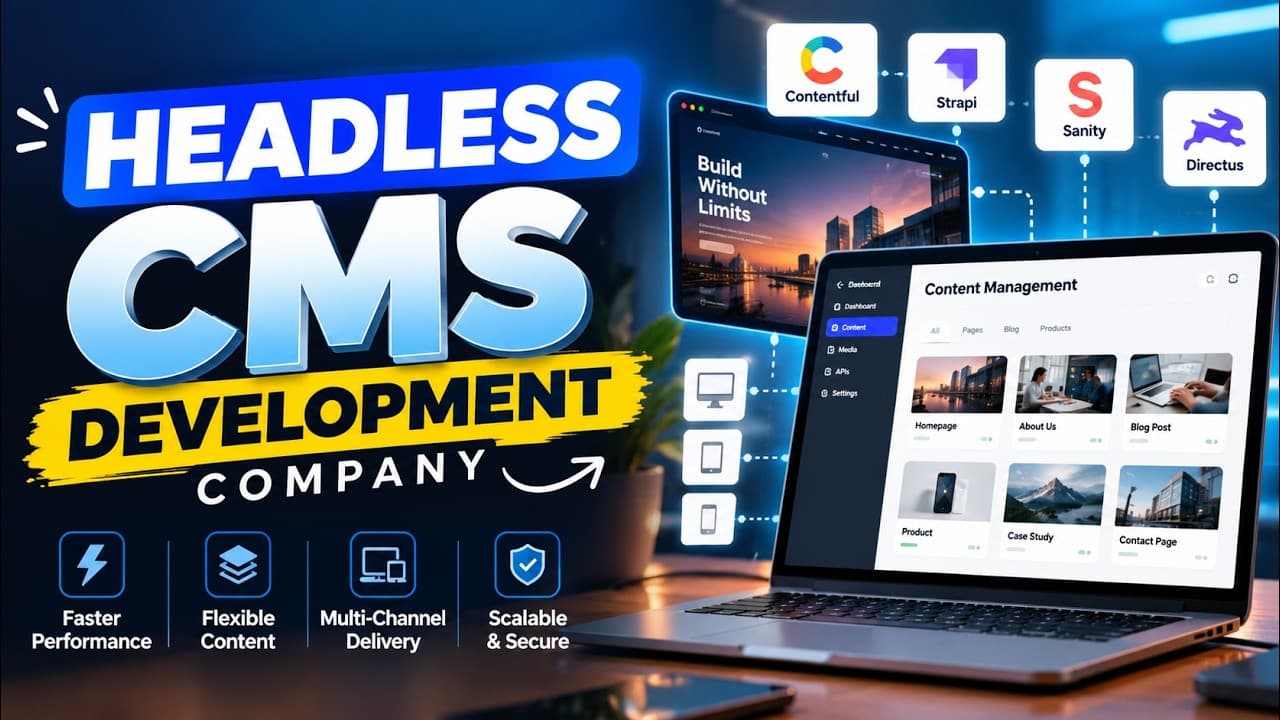
Headless CMS Development Company
We develop custom Strapi and Next.js headless CMS solutions with secure APIs and streamlined publishing workflows.
Custom Software Development
Enterprise-grade custom software for seamless integration and sustainable growth.
Legacy Application Modernization
Cloud migration, microservices, and secure refactoring to modernize legacy systems.
SaaS Application Development
Full-stack SaaS with multi-tenant architecture, AI integration, and cloud-native deployment.
Business Automation
Social Media Automation
Ship lifecycle campaigns, recover abandoned carts, and personalize every send with AI.
Email Automation Services
Ship lifecycle campaigns, recover abandoned carts, and personalize every send with AI.
Whatsapp CRM Software
Route leads, control vendor access, and close every deal on WhatsApp CRM software.
Software Development
Software Integration Development
Real-time integration of enterprise apps, data systems, and 3rd-party services.
Software Development Outsourcing
Full-cycle engineering partnership from ideation to deployment and AMC.
Enterprise Software Development
MACH platforms engineered for enterprise growth and operational efficiency.
Cross Platform App Development
Flutter App Development Company
Single Dart codebase for iOS, Android, and web for Enterprise-grade.
React Native App Development
Robust mobile apps with native performance using React Native technology.
Hire
Full Stack
Hire React.js Developer
Hire WordPress Developer
Hire Shopify Developer
Hire MERN Stack Developer
Hire Golang Developer
Hire Rust Developer
Hire Angular Developer
Hire Strapi Developer
Mobile
Hire iOS Developer
Hire React Native Developer
Hire Xamarin Mobile App Developer
Hire Flutter Developer
Cloud & DevOps
Hire DevOps Developer
AI & Data
Hire LLM Developer
Hire NPL Developer
Hire Power BI Developer
Hire AI Developer
Blockchain
Hire Solana Developer
Hire Solidity Developer
Hire NFT Developer
Hire Web3 Developer
Insights
Blog
Trends, Technology, AI, and Industry Insights.
Listicles
Curated lists of top Apps companies in 2026
Press Releases
Latest Market News and Updates!
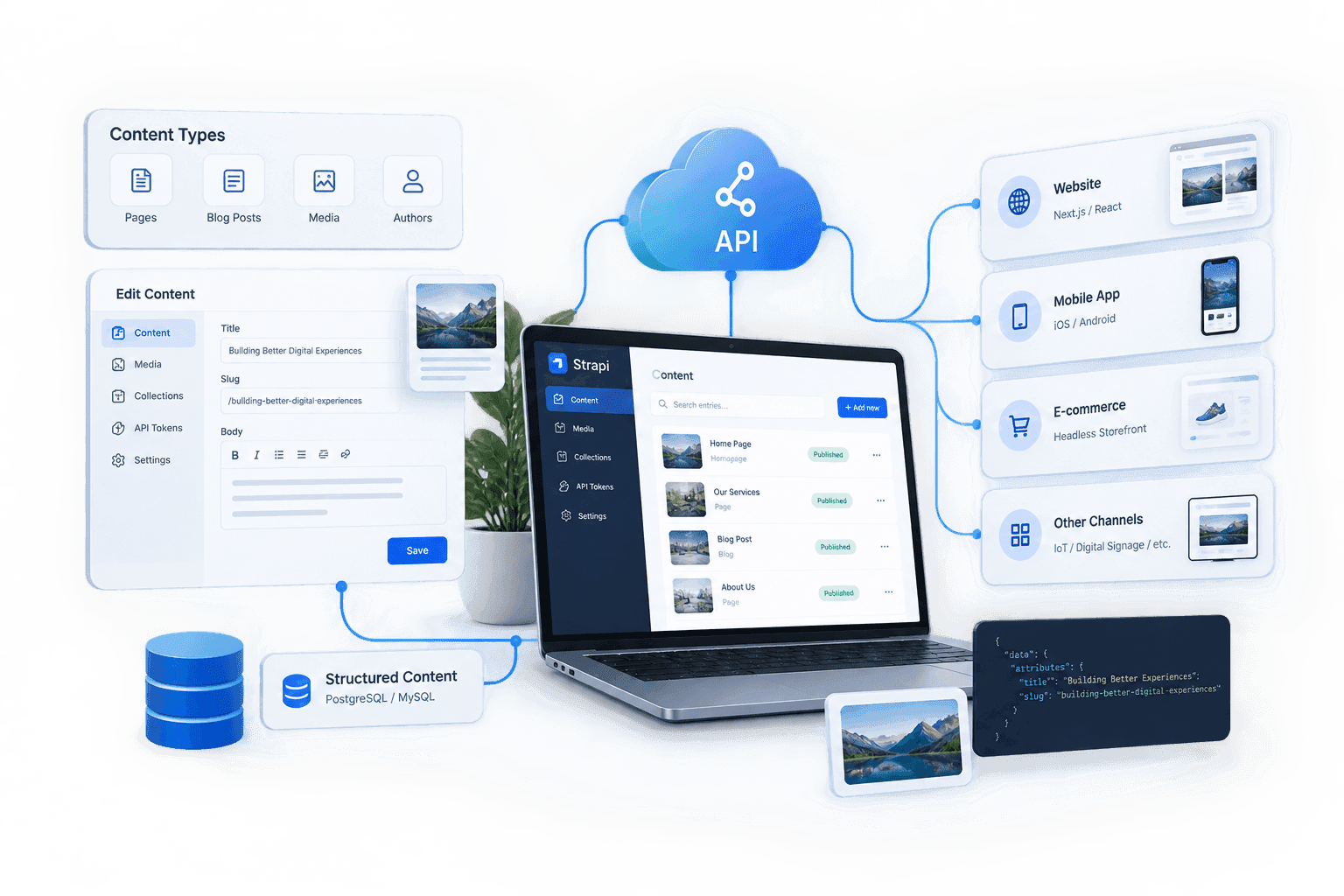
Junkies Coder is a headless CMS development company that builds governed content platforms for organizations that need more than a website. We design API-first content architectures that separate content management from presentation and deliver approved content through secure APIs to websites, mobile apps, portals, kiosks, and connected devices.
Our headless CMS development approach combines content strategy, CMS implementation, API contracts, Next.js frontends, legacy migration, SEO preservation, and post-launch monitoring. Instead of simply installing a CMS, we build a content operating system that improves publishing velocity, protects organic visibility, and supports measurable business growth.
A headless CMS separates backend content management from frontend presentation, delivering content through APIs to websites, apps, and connected devices. Our approach combines content flexibility with governance to prevent inconsistent pages, uncontrolled publishing, and API issues, while supporting seamless CMS migration and long-term maintainability.

Governed Headless CMS
API-First & Omnichannel
Empowering awards, featured in news, and recognition to Drive Innovation and Success with
our unparalleled expertise and commitment to excellence.
Our headless CMS app development solutions focus on measurable improvements in publishing speed, content reuse, API reliability, and digital performance. We build scalable platforms that help businesses streamline editorial workflows, deliver consistent omnichannel experiences, and maintain secure, efficient content operations as their digital ecosystem grows.
10+
Years of experience
15+
Countries Served
25$
Average cost P/H
95%
Positive Feedbacks
500+
Projects delivered
50+
Experts & Engineers
CORE FEATURES
We build scalable content platforms as a headless CMS app development company, covering strategy, CMS setup, API development, frontend integration, migration, governance, and ongoing support.
Content Architecture Blueprint
Headless CMS Implementation
Secure REST and GraphQL APIs
Next.js and Composable Frontend
Editorial Workflow and Governance
CRM, ERP, and Commerce Integration
Legacy Migration and SEO Preservation
Monitoring and Continuous Optimization
Our headless CMS development process connects content strategy, API architecture, frontend engineering, and publishing operations into one cohesive workflow. We move from content audits and architecture planning to custom application development, migration, and production optimization, ensuring every stage supports your business requirements, editorial efficiency, and long-term digital scalability.
We assess your existing content, digital channels, integrations, editorial workflows, SEO assets, and legacy systems. Our team identifies technical dependencies, migration challenges, and business priorities. This discovery phase establishes project requirements, defines the implementation scope, and creates a clear roadmap for your headless CMS application.
We design structured content models, reusable components, taxonomies, and relationships around your business requirements. Our team defines user roles, approval processes, publishing permissions, and content ownership. This creates a consistent content operating model that supports efficient collaboration and future expansion across digital channels.
We define the CMS architecture, API contracts, integration boundaries, caching strategy, and content delivery approach. Our team plans authentication, permissions, versioning, and communication between the CMS and frontend applications. This foundation supports secure data exchange, reliable integrations, and scalable application performance.
We configure the headless CMS, implement content models, develop required APIs, and build the frontend using technologies such as Next.js and React. Our developers integrate third-party services, configure preview workflows, and implement responsive interfaces. Every component is designed to support usability, performance, and maintainable application development.
We migrate content, media assets, metadata, and relevant relationships into the new CMS environment. Our team validates URL redirects, canonical tags, structured data, publishing workflows, and API integrations. Functional, security, accessibility, and performance testing helps identify issues before launch and reduces migration-related risks.
We deploy the headless CMS application with production checks, backup procedures, and rollback readiness. After launch, we monitor application performance, API availability, publishing workflows, and content delivery issues. Ongoing maintenance and optimization help improve reliability, address emerging requirements, and support long-term platform growth.
Explore our headless CMS projects across custom platforms, enterprise websites, and API-driven applications, showcasing scalable architecture, seamless integrations, and efficient content delivery.

Industry
FinTech
Platform
Cross-Platform - Flutter & iOS
Location
Canada
Outcomes
Omni-Channel
Etmad Topup needed a centralized recharge system, and Junkies Coder delivered a Flutter-based omni-channel platform with a web admin panel and Node.js backend, enabling real-time transaction visibility and full operational control across Android, iOS, and web.

Industry
Manufacturing
Platform
Corporate Website & E-Commerce
Location
Dammam, Saudi Arabia
Outcomes
Unified Digital Platform
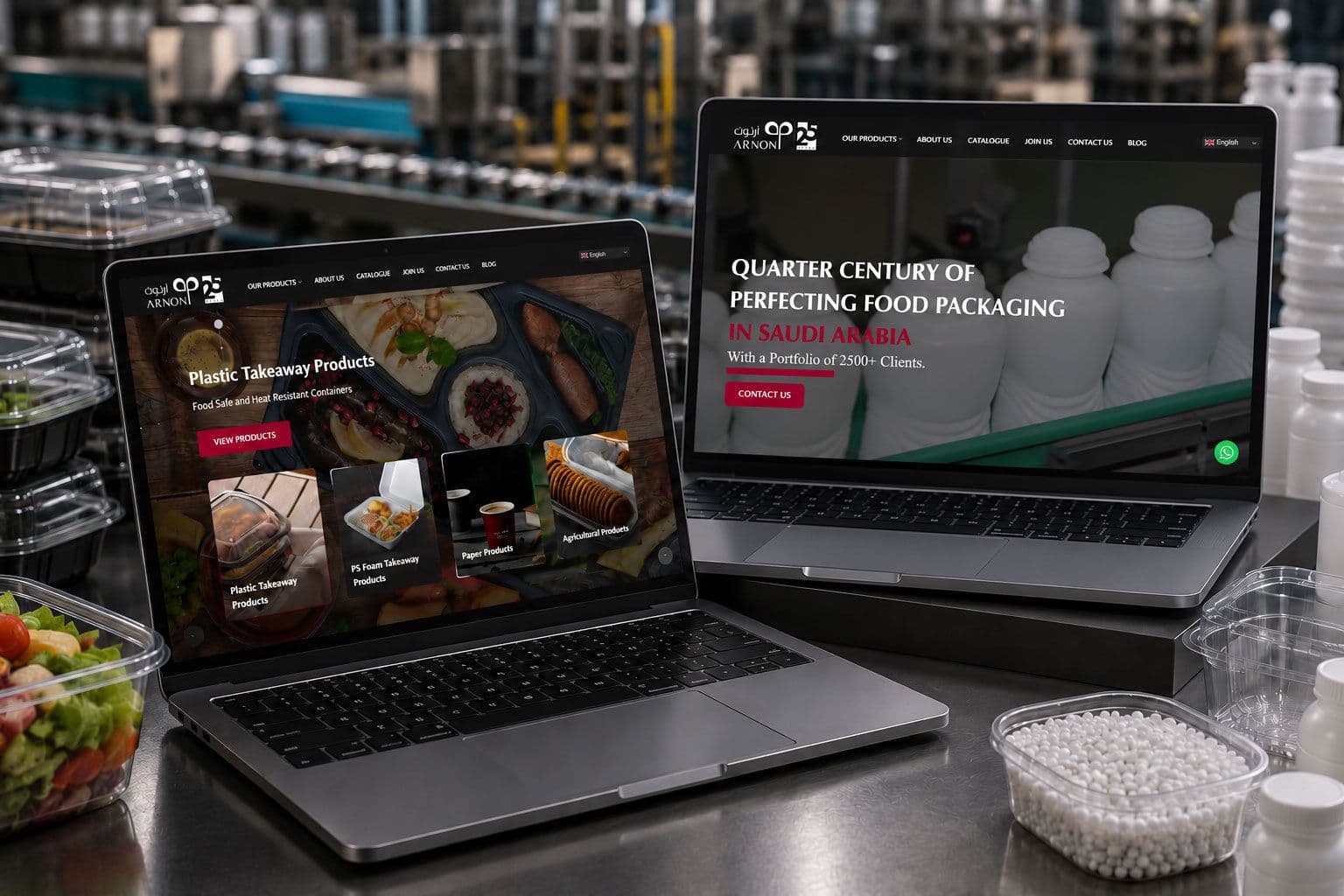
Arnon Plastic Industries needed a modern digital presence to match its scale as a 25-year manufacturing leader, and Junkies Coder delivered a corporate website with an integrated product catalogue, dual service-line navigation, and a dedicated e-commerce store, giving Arnon a unified platform across its food packaging and building insulation divisions.

Industry
Maternity & Nursing Fashion
Platform
Website + Multi-Language Storefront
Location
Denmark
Outcomes
Unified Brand Experience Across Markets
Carriwell needed a website that matched the comfort and trust behind its products, and Junkies Coder delivered a seamless, user-friendly platform with multi-language storefronts and a brand experience built around expecting and nursing mothers.

Industry
Retail & E-Commerce
Platform
Android (Native)
Location
Saudi Arabia
Outcomes
Live on Google Play
aDawliah Electronic Appliances is one of Saudi Arabia's largest specialty retailers, stocking over 6,000 products across musical instruments, professional audio, and consumer electronics. Despite strong brand recognition, the company had no dedicated mobile channel. Junkies Coder designed and engineered a full-featured Android app, bringing their entire catalog to the Saudi mobile-first consumer.
Whether you're looking to develop a digital solution from scratch, scale your current offerings, or fully modernize your system, we are here to help.
OUR EXPERTISE
We design API-first content architectures that separate content management from presentation, delivering approved content through secure APIs to websites, mobile apps, portals, kiosks, and connected devices.
We design structured content models, API contracts, and delivery layers that keep websites, mobile apps, and partner platforms stable. We do not treat the CMS as a page builder. We model entities, relationships, reusable components, locales, taxonomies, and channel-specific delivery rules. This prevents frontend teams from breaking when content structures evolve and allows new channels to be added without rebuilding the content platform.
We build fast, SEO-ready Next.js frontends that consume CMS content through secure APIs, ISR, SSR, and controlled revalidation. We map CMS content models to reusable frontend components, so editors can create pages without developers rebuilding layouts every time. Our frontend architecture includes metadata, structured data, redirects, sitemaps, Core Web Vitals optimization, and cache strategies aligned with content risk.
We help enterprises implement governed headless CMS platforms with secure APIs, role-based access, auditability, and controlled publishing.

Our headless CMS app development solutions help businesses overcome content bottlenecks, simplify multi-channel publishing, and build more adaptable digital platforms. By combining structured content models, API-first architecture, modern frontend technologies, and secure publishing workflows, we help teams improve operational efficiency, maintain consistent digital experiences, and scale content delivery as business requirements evolve.
01
Launch landing pages, promotional campaigns, and product updates without relying on developers for every content change. Reusable components, editorial previews, and scheduled publishing help marketing teams respond to market opportunities faster while maintaining brand consistency and publishing accuracy.
02
Maintain a single source of approved content across websites, mobile applications, customer portals, and other digital touchpoints. Structured content models reduce duplication, simplify updates, and help marketing and product teams deliver consistent information across every connected platform.
03
Distribute structured content through APIs to websites, mobile apps, kiosks, digital signage, and partner platforms. Our headless CMS architecture separates content management from presentation, allowing each channel to deliver tailored experiences without maintaining separate copies of the same content.
04
Improve digital experiences with modern rendering strategies, CDN distribution, caching, and targeted content revalidation. We optimize how applications retrieve and display CMS content to reduce unnecessary processing, improve loading performance, and support responsive experiences across devices and traffic levels.
05
Protect content operations with role-based permissions, scoped API tokens, secure authentication, and controlled access to administrative functions. Environment-specific configurations and audit logging help teams manage publishing responsibilities, limit unnecessary exposure, and maintain better visibility into content-related activities.
06
Manage localized content, translation workflows, language-specific URLs, and regional publishing requirements through a structured CMS environment. Shared content models and locale-aware delivery rules help international teams maintain brand consistency while adapting digital experiences to different markets and audiences.
07
Reduce repetitive publishing tasks, duplicated content maintenance, and routine developer requests through reusable components and streamlined editorial workflows. By giving content teams greater control over approved updates, businesses can use technical resources more efficiently and reduce unnecessary operational effort.
08
Extend your content platform as your business introduces new products, brands, markets, and digital channels. A decoupled architecture allows teams to evolve frontend applications and integrations independently, reducing dependence on rigid CMS templates and making future enhancements easier to manage.
09
Manage metadata, canonical URLs, structured data, XML sitemaps, and redirect rules within a carefully planned content delivery architecture. Our approach supports crawlable page rendering, consistent URL structures, and controlled migrations to help protect organic visibility as your digital platform evolves.
10
Establish structured approval processes, role-based publishing permissions, content ownership, revision history, and audit trails. These controls help marketing, compliance, and engineering teams coordinate content changes while reducing publishing errors and maintaining accountability across complex editorial environments.
11
Integrate your headless CMS with CRM platforms, ERP systems, ecommerce solutions, analytics tools, search services, and other business applications. Well-defined API contracts and integration workflows support dependable data exchange, reduce manual synchronization, and create a more connected digital ecosystem.
12
Organize content into clearly defined entities, relationships, metadata, and reusable fields that support intelligent retrieval and automated processing. This foundation can help power semantic search, AI-assisted discovery, personalized content experiences, and integrations with AI applications while preserving control over content quality and governance.
We develop industry-specific headless CMS applications for businesses managing complex content, multiple digital channels, and evolving customer expectations. From ecommerce and healthcare to financial services, education, and enterprise technology, our solutions support structured content management, secure integrations, localized experiences, and scalable digital delivery tailored to each industry's operational needs.
We follow a risk-focused development process to ensure your headless CMS application remains secure, manageable, and scalable beyond launch. From identifying content and integration challenges to validating migrations, testing production readiness, and monitoring performance, every stage includes clear controls to reduce technical risks and support reliable content operations.
We identify publishing bottlenecks, disconnected digital channels, integration issues, compliance requirements, and content management challenges. Our team evaluates existing workflows and defines measurable project outcomes. This assessment establishes clear priorities and helps prevent scope gaps before development begins.
We design content models, editorial governance, API contracts, localization structures, and delivery architecture around your business needs. Our team defines how content moves between the CMS, frontend applications, and connected systems. This planning creates a structured foundation for secure integrations and long-term scalability.
We develop the CMS configuration, APIs, frontend applications, and third-party integrations using clearly defined technical boundaries. Role-based permissions, environment separation, and secure configuration practices are incorporated throughout development. This approach improves maintainability and reduces unnecessary dependencies across the application.
We migrate content, media, metadata, and relationships using repeatable scripts and structured validation procedures. Reconciliation reports help identify missing records, incorrect mappings, and inconsistent content. This evidence-based process reduces migration errors and provides greater confidence in the accuracy of transferred data.
We validate SEO elements, forms, analytics, integrations, accessibility, security, and application performance before launch. Our team tests critical user journeys and verifies redirects, metadata, and publishing workflows. Rollback procedures are also reviewed to help minimize disruption if production issues arise.
We monitor publishing reliability, API health, Core Web Vitals, and application stability after deployment. Our team investigates performance bottlenecks, integration failures, and content delivery delays. Regular optimization helps maintain platform reliability, improve user experiences, and support evolving business requirements.
Shalehin Modasia
Marketing DirectorENGAGEMENT MODELS
Choose a flexible engagement model based on your application requirements, internal team capabilities, migration complexity, and product roadmap. Our approach adapts to your delivery priorities, whether you need a complete headless CMS solution, specialized development resources, or a structured modernization strategy.
We manage your entire headless CMS app development lifecycle, from business discovery and technical architecture to CMS configuration, API development, frontend engineering, content migration, and deployment. Our team coordinates every stage to ensure consistent implementation, secure integrations, and reliable content delivery. You get a complete development solution aligned with your business goals, technical requirements, and future scalability needs.
Start a ProjectStrengthen your development capabilities with a dedicated team of Strapi developers, Next.js engineers, QA specialists, and solution architects. Our professionals integrate into your existing workflows, collaborate with internal stakeholders, and follow your established development practices. This engagement model provides the technical expertise and flexibility needed to accelerate feature development, maintain your CMS platform, and support evolving product requirements.
Build a Dedicated TeamModernize your existing content platform by transitioning from a traditional CMS or legacy application to a flexible headless architecture. We assess your current system, map content structures, plan API integrations, migrate media and metadata, and validate redirects and publishing workflows. Our structured migration approach helps minimize operational disruption, protect organic search visibility, and establish a maintainable foundation for future digital experiences.
Request Migration AssessmentHeadless CMS development is not automatically better than a traditional CMS. It becomes the stronger choice when content must support multiple channels, custom frontends, governed publishing, and evolving product experiences.
| Decision area | Traditional CMS | Headless CMS Development | Business Impact |
|---|---|---|---|
| Content Ownership | Content, templates, plugins, and frontend logic often live together. | Content, presentation, and delivery logic are separated. | Marketing and engineering can work independently. |
| Publishing Workflow | Editors depend on themes, plugins, and developer fixes. | Editors use governed components, previews, and approval workflows. | Faster campaigns with fewer production incidents. |
| Channel Readiness | Primarily optimized for one website. | One content source can serve websites, mobile apps, portals, kiosks, and partner platforms. | New channels require delivery layers, not content duplication. |
| Frontend Flexibility | Theme and plugin constraints limit UI decisions. | Next.js, React, Vue, Nuxt, or mobile teams can build channel-specific experiences. | Design and product teams are not locked into CMS templates. |
| API Strategy | APIs are often added around the CMS. | API contracts, versioning, permissions, and response structures are designed first. | Mobile and partner integrations remain stable as content evolves. |
| SEO Control | SEO depends heavily on plugins and theme implementation. | Metadata, structured data, canonicals, sitemaps, and redirects are engineered into the frontend. | Better control over crawlability and organic equity during change. |
| Performance Model | Server rendering and plugin overhead can affect speed. | Static generation, ISR, SSR, CDN caching, and selective revalidation can be combined. | Faster content delivery without sacrificing publishing accuracy. |
| Security Surface | Plugins, themes, admin access, and database exposure expand risk. | Access is controlled through roles, scoped tokens, CORS, rate limits, and API boundaries. | Security teams get clearer control over exposure. |
| Migration Path | Legacy content and templates are tightly coupled. | Content, media, URLs, and workflows can be migrated through repeatable ETL and validation. | Lower risk of data loss, broken links, and SEO regression. |
| Governance | Publishing rules vary by plugin or custom setup. | Drafting, review, approval, scheduling, and rollback are designed into the workflow. | Regulated and multi-team organizations retain control. |
| Cost Pattern | Lower initial cost, higher long-term plugin and maintenance cost. | Higher initial architecture cost, lower repeated customization cost. | Better total cost of ownership for scaling platforms. |
| Best Fit | Simple marketing sites with standard publishing needs. | Multi-brand, multi-region, product-led, and omnichannel businesses. | Headless CMS pays off when change and channel growth are continuous. |
If your main need is a simple brochure website, a traditional CMS may still be practical. If your business needs controlled omnichannel delivery, API stability, and faster product iteration, headless CMS development gives you a stronger foundation.
Real stories from real partners who experienced clarity, accountability, and measurable business growth.
We leverage proven headless CMS platforms, modern frontend frameworks, API technologies, and cloud infrastructure to build flexible, secure, and high-performance applications. From Strapi and Next.js to scalable hosting, content delivery networks, and third-party integrations, our technology stack supports seamless content distribution, efficient publishing workflows, and long-term platform growth.
Featured Technologies
Strapi
Contentful
Sanity
Payload CMS
Prismic
Our headless CMS development company builds compliance-focused content platforms with granular access permissions, encrypted data transmission, secure API authentication, and traceable publishing workflows. We align CMS configurations with applicable requirements such as GDPR, SOC 2, and industry-specific policies, helping businesses protect sensitive content, maintain audit readiness, and manage digital experiences with greater control.

GDPR-Ready Data Practices
SOC 2
CCPA
ISO/IEC 27001
HIPAA

PCI DSS

WCAG 2.2

DPDP Act, 2023
As a headless CMS app development company, we build tailored content platforms that connect structured content with web applications, mobile apps, and digital products. From Strapi configuration and Next.js development to API integration, content migration, security, and performance optimization, we create scalable solutions that give businesses greater control over content delivery and application experiences.
We review existing pages, media, metadata, taxonomies, forms, and integrations. Our team identifies hidden dependencies and migration challenges. This assessment helps establish a clear roadmap for your headless CMS transition.
We create structured content types, reusable components, relationships, and taxonomies. Each model aligns with your editorial workflows and business requirements. This approach supports content consistency, easier maintenance, and future platform growth.
We define API requests, responses, pagination, filtering, and error-handling rules. Versioning and access requirements are established for every consuming channel. This ensures predictable data exchange and reliable integrations across your digital ecosystem.
We configure Strapi content types, components, dynamic zones, and media libraries. Roles, permissions, localization, and webhooks are tailored to your workflows. This creates a flexible content management environment with controlled access and efficient publishing.
We build responsive, component-driven frontends using Next.js. Secure CMS integration, SEO controls, and performance-focused rendering are built into the architecture. Your digital experience remains flexible, fast, and ready to scale with changing business needs.
We implement draft previews, editorial reviews, scheduled releases, and controlled publishing. Approval workflows help teams validate content before it reaches users. This improves collaboration, reduces publishing errors, and gives editors greater control.
We connect CMS publishing events to targeted frontend cache updates. Relevant pages refresh automatically when approved content changes. This reduces unnecessary rebuilds while keeping published information accurate and up to date.
We prepare structured content for websites, mobile apps, customer portals, kiosks, signage, and partner platforms. Shared content models minimize duplication across channels. Each frontend can deliver tailored experiences while using a consistent content source.
We organize multilingual content, locale-based URLs, and translation workflows. Hreflang rules and regional publishing controls support international SEO requirements. This helps teams manage localized experiences while maintaining consistency across markets.
We audit existing URLs, metadata, and search-related dependencies before migration. Permanent redirects, canonical tags, and XML sitemaps are carefully configured and validated. This helps preserve organic visibility, prevent broken links, and minimize SEO disruption.
We implement role-based access control (RBAC), scoped API tokens, and CORS policies. Rate limiting, audit logging, and secure secret management strengthen platform protection. These controls help limit unauthorized access and reduce security exposure.
We track Core Web Vitals, API latency, cache performance, and content delivery speed. Webhook failures and publish-to-live delays are monitored for timely troubleshooting. Continuous monitoring helps maintain a reliable, responsive, and efficient headless CMS platform.

A headless CMS development company designs content architectures, builds CMS platforms and APIs, develops frontend experiences, integrates business systems, and migrates legacy content into scalable omnichannel platforms.
A headless CMS separates content management from presentation. Content is created in one backend and delivered through APIs to websites, mobile apps, portals, kiosks, and other digital channels.
Governance prevents inconsistent pages, uncontrolled publishing, broken components, and security risks. It defines who can create, edit, approve, publish, and roll back content.
We work with Strapi, Payload CMS, Contentful, Sanity, Prismic, Contentstack, and other API-first CMS platforms based on hosting, governance, localization, and integration requirements.
Strapi is a strong option when organizations need self-hosting, customizable content models, REST and GraphQL APIs, role-based permissions, and flexibility to build custom integrations.
Yes. A headless CMS can deliver structured content through APIs to iOS, Android, React Native, Flutter, and cross-platform mobile applications.
Yes. We migrate WordPress, Laravel, Drupal, custom PHP, and other monolithic platforms while preserving content, media, SEO equity, redirects, and business workflows.
It can if URLs, redirects, metadata, canonicals, sitemaps, or structured data are mishandled. We treat SEO preservation as a dedicated migration workstream with pre-launch and post-launch validation.
A focused marketing website may take several weeks, while enterprise platforms with integrations, localization, migration, commerce, or complex workflows can take several months. Scope depends more on integrations and content complexity than page count.
Cost depends on content-model complexity, number of channels, integrations, migration scope, localization, security requirements, and ongoing support needs. We provide a scoped estimate after discovery and architecture assessment.
Yes. We integrate headless CMS platforms with CRMs, ERPs, commerce platforms, marketing automation tools, search platforms, analytics systems, and custom enterprise APIs.
A headless CMS can be secure when implemented with role-based access control, scoped API tokens, CORS restrictions, rate limiting, webhook validation, monitoring, and secure secret management. Strapi supports role-based permissions and JWT-based authentication.
Yes. We provide maintenance, security updates, performance monitoring, API support, CMS upgrades, content-model improvements, and continuous optimization.